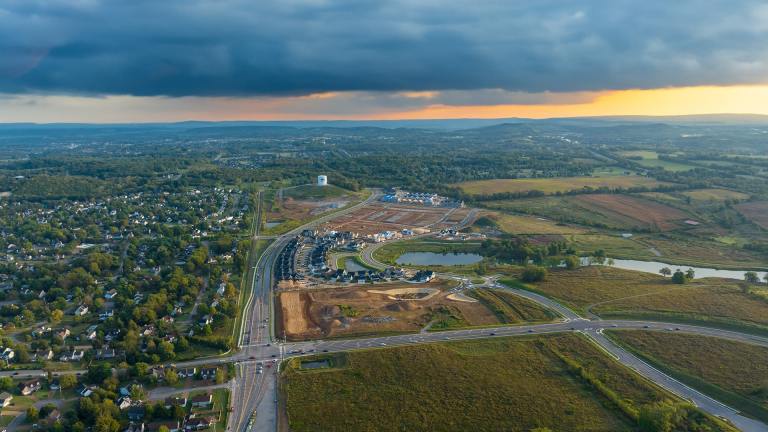


As the construction industry evolves, the use of drones in construction is transforming how developers, contractors, civil engineers, and land managers document and monitor their projects. Traditional methods of tracking progress and gathering site data often fall short, leading to delays, inaccuracies, gaps in documentation, and even safety incidents. This is where drone services offer significant advantages.
From providing topographical data for site planning to capturing detailed progress updates with videos, photos, 3D models, and volumetric reports, drones are becoming indispensable tools. They even help document as-built conditions at the end of a project, providing marketing teams with high-quality visuals to promote the finished product.
However, hiring the right drone pilot is key to realizing these benefits. Here are five essential factors to consider when selecting a drone pilot for your next construction project.
1. Proven Experience with Drones in Construction
Hiring a drone pilot with construction-specific experience should be a top priority. While many drone service providers may offer “construction drone services,” not all of them have real, hands-on experience with complex construction sites. Construction timelines are tight, and projects often face challenges like weather delays, shifts in site conditions, and frequent coordination needs across teams. A drone pilot who has experience working in these environments will understand the demands of the project and how to align drone deliverables with each stage of construction.
Ask for examples of previous work in construction and inquire how they’ve handled site-specific challenges in the past.
2. Compliance with FAA Certification, Insurance, and Safety Protocols
Legal compliance is non-negotiable when it comes to drones in construction. The pilot you hire must have an FAA Part 107 certification, which allows them to operate drones commercially in the U.S. Without this, their operations would be illegal and could result in penalties or project delays. Fortunately, you can easily look this up. The FAA (Federal Aviation Administration) has a public database called Airmen Inquiry Search Page where you can simply type in the pilot’s name and see if they have the “Remote Pilot” certificate. What if their name doesn’t pop up after you search it? Then, don’t hire them.
Additionally, ensure that they carry sufficient liability insurance. Construction sites are risky environments, and having insurance protects both you and the pilot in the event of any accidents or equipment damage.
Safety protocols are another crucial area. A professional drone pilot should come prepared with the necessary Personal Protective Equipment (PPE) and adhere to the same safety standards as the rest of your crew. This shows they take site safety seriously and understand the risks involved in working on construction sites.
3. Awareness of Restricted Airspace
Construction sites are often located near areas where flying drones can be restricted, such as airports, military bases, hospitals, or urban centers. A responsible drone pilot will ask for your project address upfront to determine if it’s near any restricted airspace. This is critical because flying in these areas requires special authorizations, and operating without them can result in legal issues or fines. You can find out yourself if your site is in a restricted airspace by using free apps like B4UFLY.
By checking this early on, the pilot demonstrates their knowledge of airspace regulations and their commitment to ensuring your project complies with all legal requirements.
4. Georeferencing and Alignment with Project Data
If your project requires georeferenced reports like volumetric analysis or topographical maps, it’s important that the drone pilot asks for the coordinate system and geoid type used in the initial survey. This ensures the drone data aligns with your site’s benchmarks and can be integrated into your project’s existing datasets.
Georeferenced data allows for accurate tracking of stockpiles, mass grading progress, and site planning adjustments. Without this alignment, the drone data may not be useful, or worse, it could cause inaccuracies that lead to costly mistakes down the road.
5. Understanding the Limits of “Survey” Data for Drones in Construction
While drones in construction, when used with other equipment and proper methods, can provide highly accurate data—often on par with traditional surveying methods—there are legal limits to what a drone operator can claim. Drone pilots cannot provide “survey-certified data,” which must be done by licensed surveyors. However, experienced drone pilots should know this distinction and still offer data that complements certified surveys, delivering precision that is extremely valuable for site planning and analysis.
If a drone pilot promises certified survey data and doesn’t hold the proper survey license, that’s illegal. You want someone who understands the legal boundaries but can still provide high-accuracy geospatial data to aid in construction planning and progress tracking.
Conclusion: Making the Right Choice for Drones in Construction
As you look to incorporate drones in construction, feel encouraged that you have the right idea. Drones in construction improve project documentation, progress monitoring, and data collection. With that said, it’s essential to hire a drone pilot who understands the unique needs and challenges of the construction industry. By focusing on these five factors—experience, compliance, airspace awareness, georeferencing, and an understanding of survey data limits—you can ensure that the drone service provider you choose adds real value to your project.
Hiring the right drone pilot isn’t just about getting aerial footage; it’s about partnering with someone who knows how to deliver actionable insights that keep your project moving forward efficiently and safely. Since you now have a better idea of what to look for in a drone pilot in construction, you now need to start asking yourself which services you even need. With over 5 years of experience, we’ve selected and offer the drone services that make the biggest impact for the construction industry. Check out our list of construction-specific drone services here.