
At the core of every successful construction project lies a critical challenge with construction technology: bridging the gap between those working onsite and those managing operations remotely. That’s why effective communication and data sharing are vital for efficient project management, cost control, and meeting deadlines. However, traditional methods for achieving this connection often fall short, leaving room for error and inefficiency.
In the world of construction, construction technology is reshaping how onsite workers and offsite managers collaborate. Traditional methods of bridging the gap between these teams often fall short, but modern innovations are solving these long-standing challenges.
This blog offers a concise overview of how construction companies are leveraging cutting-edge technology to modernize outdated processes, enhancing efficiency, accuracy, and real-time decision-making. Whether your company is new to these advancements or already reaping the benefits of several, this blog aims to keep you informed about the latest innovations shaping the industry.
Traditional Construction Technology
For years, construction teams have relied on manual processes and outdated tools to communicate progress between the field and the office. Here are some common examples:
1. Manual Truck Counts for Earthworks
In traditional earthmoving projects, teams often use manual clickers to count trucks hauling dirt offsite. The total material moved is estimated by multiplying the number of truckloads by an average capacity. This data is then shared with offsite teams for invoicing and reporting.
2. Daily Progress Reports via Email or Phone Calls
Supervisors compile updates in logs or over the phone to share with offsite managers. These reports provide a basic overview of progress and challenges but lack precision and timeliness.
3. Physical Inspections
Offsite teams conduct regular site visits to assess progress, relying on observations and discussions with onsite staff. While valuable, these visits are time-consuming and provide only a snapshot of the current state.
4. Paper-Based Documentation
Records of materials delivered, tasks completed, and hours worked are maintained on paper forms, which are then sent to offsite personnel for processing. This system is historically prone to errors and delays.
Challenges with Traditional Construction Technology
While these methods have been industry mainstays, they often fall short in today’s fast-paced construction environment:
- Inaccuracy: Manual estimations can lead to reporting discrepancies and errors in both invoicing and planning (FM Industry).
- Time-Consuming: Manual reporting and inspections delay decision-making (CIC Construction).
- Communication Gaps: Multiple channels increase the risk of miscommunication (OneTeam).
- Limited Real-Time Insights: Offsite teams often work with outdated information. Therefore, they can’t respond quickly to changes (Onix Systems).
- Human Error: Mistakes in data recording and reporting lead to inefficiencies (Agility Portal).
Construction Innovations that are Transforming Collaboration
Modern construction technology is solving these challenges by providing better communication tools, automated processes, and real-time insights.
1. Enhanced Volume Tracking
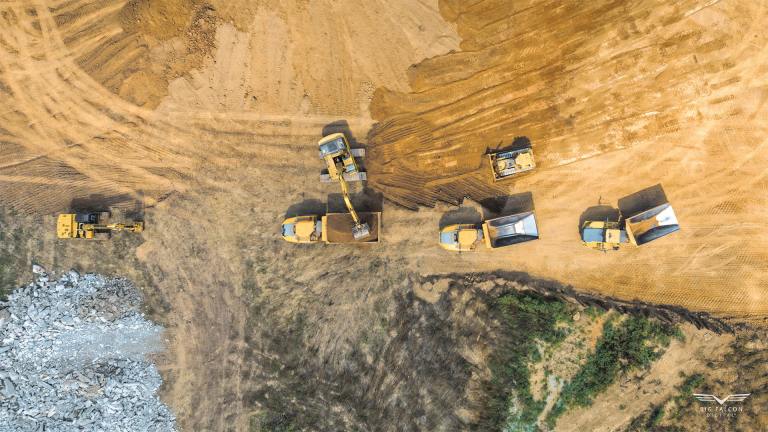
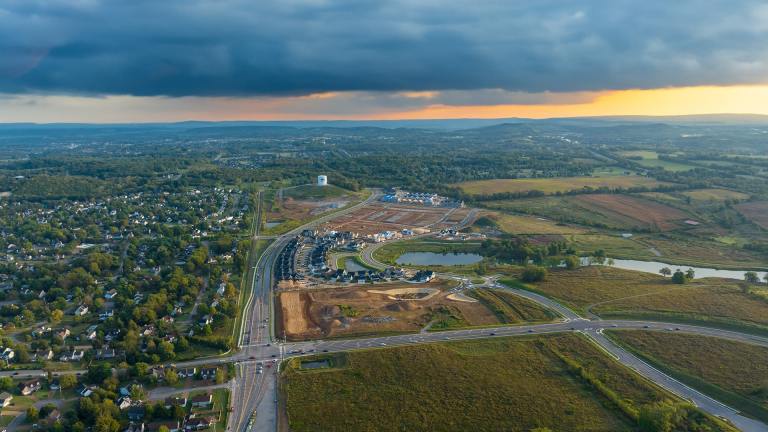
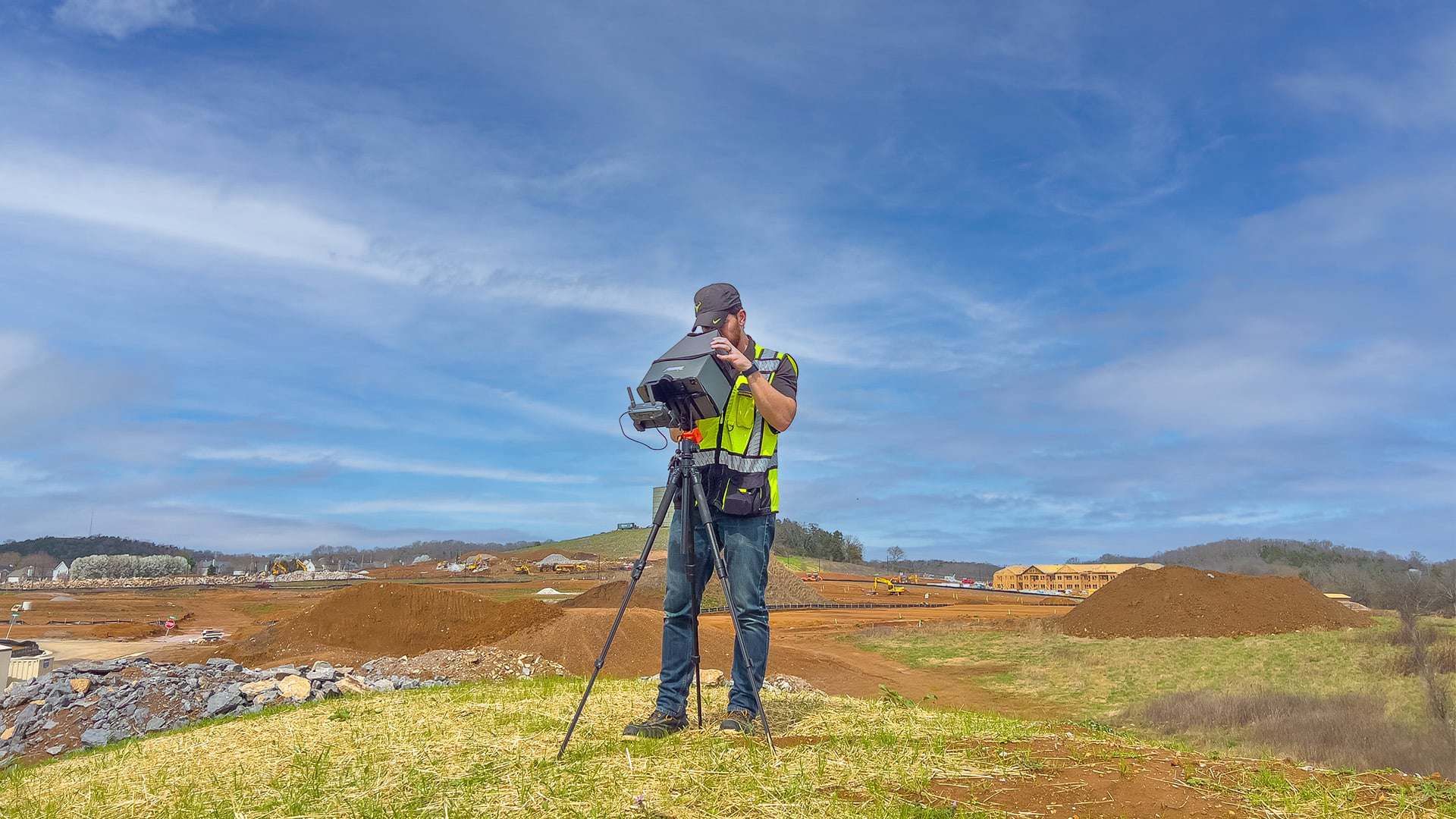
Modern construction tools like drones are able to generate highly accurate volume reports by creating 3D maps to measure progress and calculate cut and fill amounts. Thanks to recent advances, they are able to do all this faster and more affordably than traditional methods.
2. Real-Time Reporting Platforms
Cloud-based platforms like Procore and Autodesk Construction Cloud allow teams to upload updates directly into shared systems. Offsite managers can instantly access this data to make informed decisions.
3. Digital Twins
Digital twins, or virtual replicas of construction sites, are updated quickly from routine drone scans. This construction innovation eliminates the need for frequent physical inspections while providing comprehensive site overviews.
4. Automated Documentation and Workflows
Mobile apps digitize reporting which allows teams to capture and share data automatically. This significantly reduces errors associated with paper-based methods.
5. Advanced Communication Tools
Video conferencing and augmented reality (AR) solutions enable seamless collaboration between remote and onsite teams. AR glasses, for instance, allow remote engineers to guide onsite workers visually in real-time.
The Impact of Modern Construction Technology
The adoption of advanced construction technology offers significant benefits:
- Improved Accuracy: Automated tools provide precise data, minimizing guesswork (Autodesk).
- Time Savings: Real-time updates expedite decision-making processes (Procore).
- Cost Efficiency: Reducing errors and inefficiencies leads to significant savings (Onix Systems).
- Better Collaboration: Cloud-based platforms foster a shared understanding of project progress (Procore).
- Enhanced Agility: Immediate access to site data allows for quick adaptation to changes (Autodesk).
Embracing the Future of Construction Innovations
Bridging the gap between onsite and offsite teams is critical to modern construction success. While traditional methods paved the way, they are no longer sufficient for today’s demands. Construction technology advances such as enhanced volume tracking, digital twins, and cloud-based platforms are revolutionizing how teams collaborate and manage projects.
The companies that adopt these innovations are expected to lead the industry, delivering projects more efficiently, accurately, and competitively. By embracing these tools, construction professionals can achieve long-term success in a rapidly evolving industry. Explore some our highly praised drone services that are already bringing significant value to some of the industry’s leaders.